
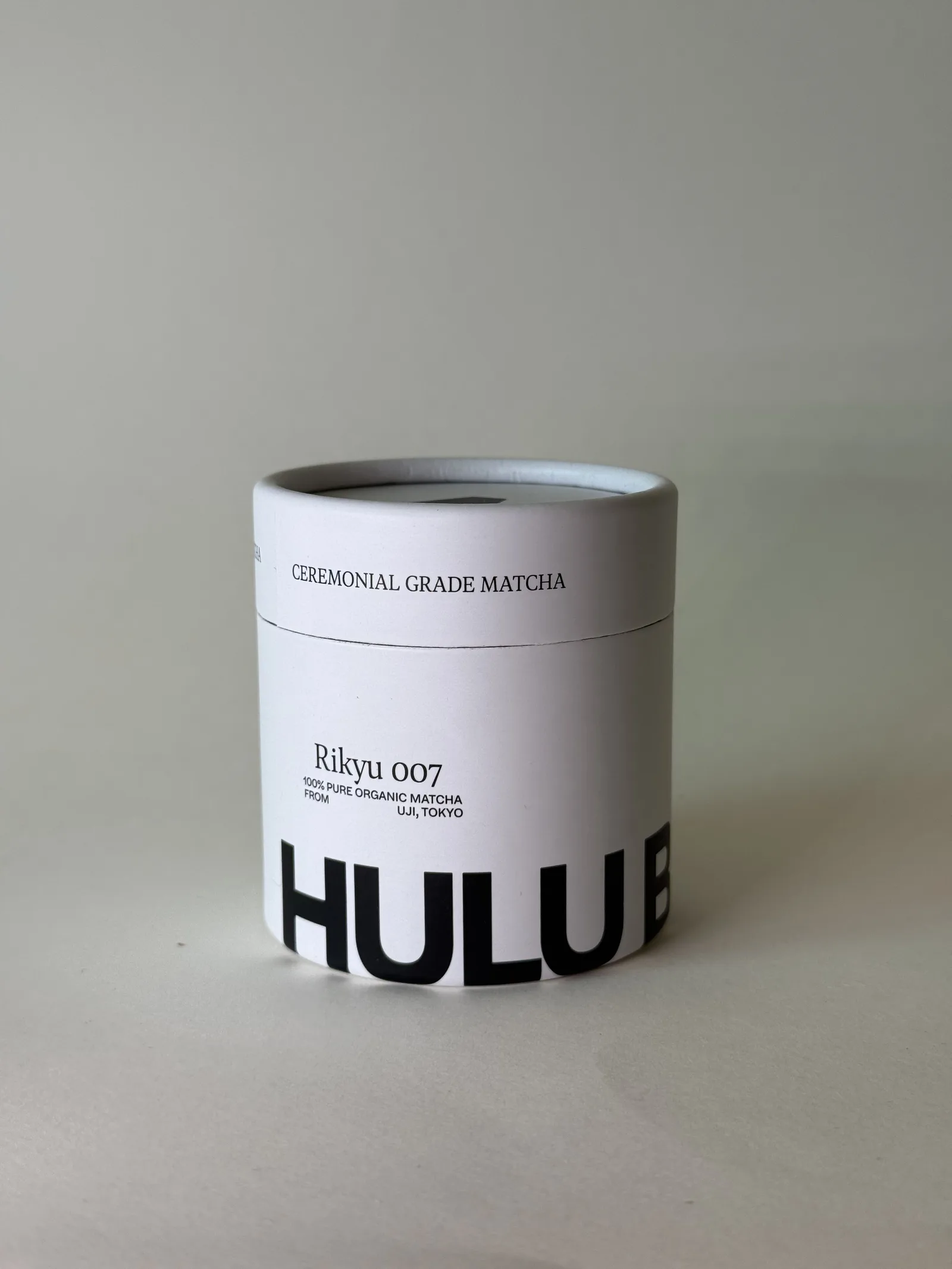
Fresh-mill signature · First harvest · spring flush (ichibancha) — picked early, when the tender young leaves carry the highest L-theanine and the least bitterness
Ritual 003
Stone-milled in-bar. The observable ritual in a tin.
01freshly milled, still warm from the stone
02bright, high in sweetness
03one farm, no blend
Ritual 003 is the grade we grind in front of you. The leaf travels whole and sealed from one named farm — Yamama Masudaen in Shizuoka, an Emperor's Cup winner — and stays sealed until your five minutes begin. Then it is weighed, milled, whisked and poured while you watch. That sequence is the reason it can be what it is: matcha starts losing itself the moment it is ground, so a powder that never has to survive a shelf can be a single distinctive lot instead of a blend built for consistency. The other four grades are blended precisely because they do have to survive one. This is the freshest thing we are able to hand you, and the trade is that it exists for about as long as it takes to drink.
Not for
Not for stockpiling — the take-home canister is sealed the day it's milled, not months earlier at a vacuum-sealing origin cannery. Buy what you'll drink within a few weeks.
Umami
Bitter
Finish
RM 199
30g · silver canister · ships across Malaysia
The batch
Traceable to the field.
Origin
Shizuoka, Japan
Cultivar
Single-origin — ceremonial grade, premium tencha selection
Harvest
First harvest · spring flush (ichibancha) — picked early, when the tender young leaves carry the highest L-theanine and the least bitterness
Mill
Whole leaf stone-milled in-bar, same day. Sealed at origin by Yamama Masudaen, an Emperor's Cup-winning tencha farm.
Micronage
5–10 microns
Tin size
30g · silver canister
5–10 microns — the finest grind on the card, possible because it's milled the same day it's drunk and never has to survive months on a shelf.
Fresh, crafted. Never rushed.
Spec last reviewed
Where these numbers come from
- Origin · Cultivar · Harvest
- Per supplier batch sheet from the Uji-region co-op (on file at HULU BLAVK).
- Mill · Micronage
- Uji-milled grades: per the supplier's stone-mill QC log. Ritual 003 line: measured at the HULU BLAVK in-bar mill on the day of grind.
- Brew temperatures and dosage (75°C / 70°C usucha + koicha specs)
- HULU BLAVK in-bar serving recipe, calibrated against the ceremonial-grade preparation conventions the bar pulls from.
- Tasting-note dots (umami / bitter / finish)
- HULU BLAVK in-house cupping panel scored on the supplied batch — re-evaluated each new shipment.
- Price · Tin size
- Price pulled live from the HULU BLAVK shop catalogue (Shopify) at page render. Tin size per retail card current as of GRADES_LAST_REVIEWED.
How this grade is drunk
Pour it like this.
- · In-bar usucha
- · House thin whisk
- · Take-home 30g in the silver canister (sealed post-mill)
Keeping it
How long it holds.
Sealed
The take-home tin is sealed right after milling — best within 2–4 weeks of that mill date, since this leaf isn't vacuum-sealed at origin the way the four Uji tins are.
Opened
Same rule as any ceremonial grade once opened — airtight, refrigerated, away from light — but drink it sooner rather than later: its clock started the day it was milled, not months before.
The other five
Compare the ladder.
Usucha · entry
Rikyu
The entry bowl. Classical thin-whisk in the most generous tin.
Read →
Daily
Wakaba
Early-summer brightness. Vegetal, quick, everyday.
Read →
Koicha
Hikari
The thick-bowl grade. Shaded, fine-ground, slow.
Read →
Milk-forward
Muyu
The top Uji-sealed tin. Holds its edge under oat and whole milk.
Read →
Fresh-mill · competition grade
Ritual 003 Champion
Champion-tier tencha, stone-milled in-bar for the reserve bowl.
Read →
Still not sure? Answer 4 questions →
5 MINUTES. MINIMUM. →
