NEXT HARVEST DROPS FIRST.

· COME AS YOU ARE· RIGHT DRINKS TAKE TIME· RESERVE YOUR 5 MINUTES →

product · 2 contenders ·

Matcha vs coffee.

Matcha is not the coffee alternative. It is a different drink with a different chemistry, a different prep ritual, and a different energy profile, and it does not stop coffee from being excellent at what coffee is excellent at. The honest comparison is not which is better — it is which one fits the moment you are in. The table below is what we hand to first-time guests at HULU BLAVK who are coming from a daily flat-white habit and want to know whether the switch is going to feel like a downgrade.

The contenders

HULU BLAVK

Ceremonial-grade matcha

Stone-milled tencha leaf whisked in front of you. The whole leaf goes into the bowl — you drink the plant, not just an extract.

Other

Specialty coffee

Roasted bean extracted under pressure or by gravity. The grounds are discarded; you drink the soluble extract.

The comparison

Side by side.

CriterionMatchaCoffee
Caffeine per cup~70 mg in a usucha bowl · ~140 mg in a thick-bowl koicha~90–100 mg in a single-shot espresso · ~120–150 mg in a flat white
Prep time5 minutes per cup, manual30–45 seconds per shot, machine-assisted
What you actually drinkThe whole stone-milled leaf, suspended in water — fibre, chlorophyll, L-theanine, full caffeine loadSoluble extract from the bean, oil and acids — the spent grounds are discarded
Energy curveSlow ramp over ~30 min · steady plateau ~2.5 hr · gentle taper. L-theanine smooths the caffeine response.Fast onset ~15–20 min · sharp peak ~45 min · noticeable crash ~90 min after peak
Flavour profileUmami-forward, vegetal, mineral, sweet finish in higher grades · bitterness comes from over-whisk or under-shadeRoast-driven · acidity, body, finish vary by origin and roast level
Best food pairingLight pastry, mochi, dark chocolate, citrus, anything that does not compete with umamiPretty much anything sweet, any breakfast, any dessert
Ritual / observabilityOpen ritual — guest watches the mill, the whisk, the pour. The making is part of the drink.Bar-side machine work — barista mostly hidden behind the espresso machine
Cost-per-cup at HULU BLAVKRM18–RM38 depending on grade · in-store onlyn/a — HULU BLAVK does not pour coffee
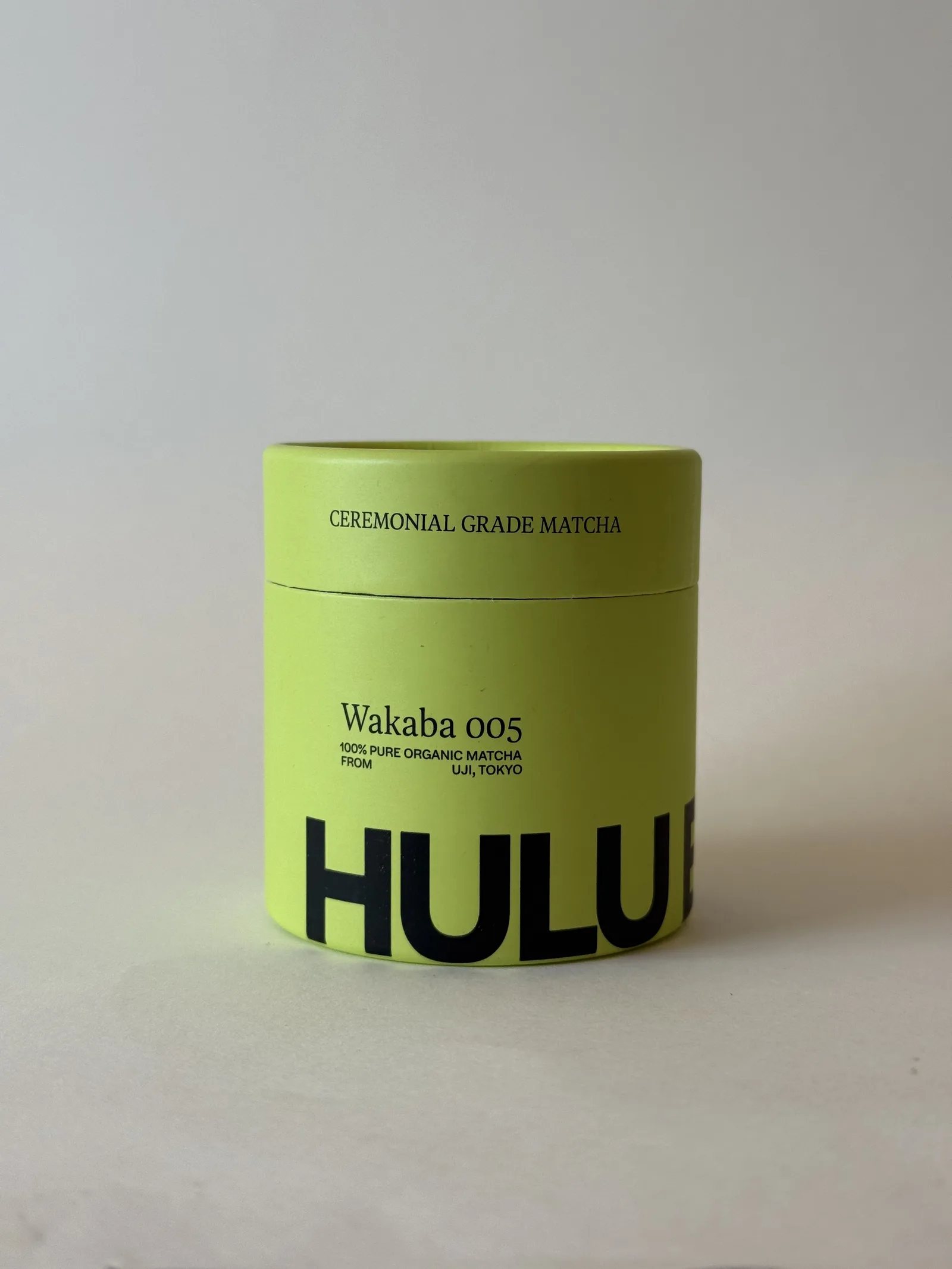
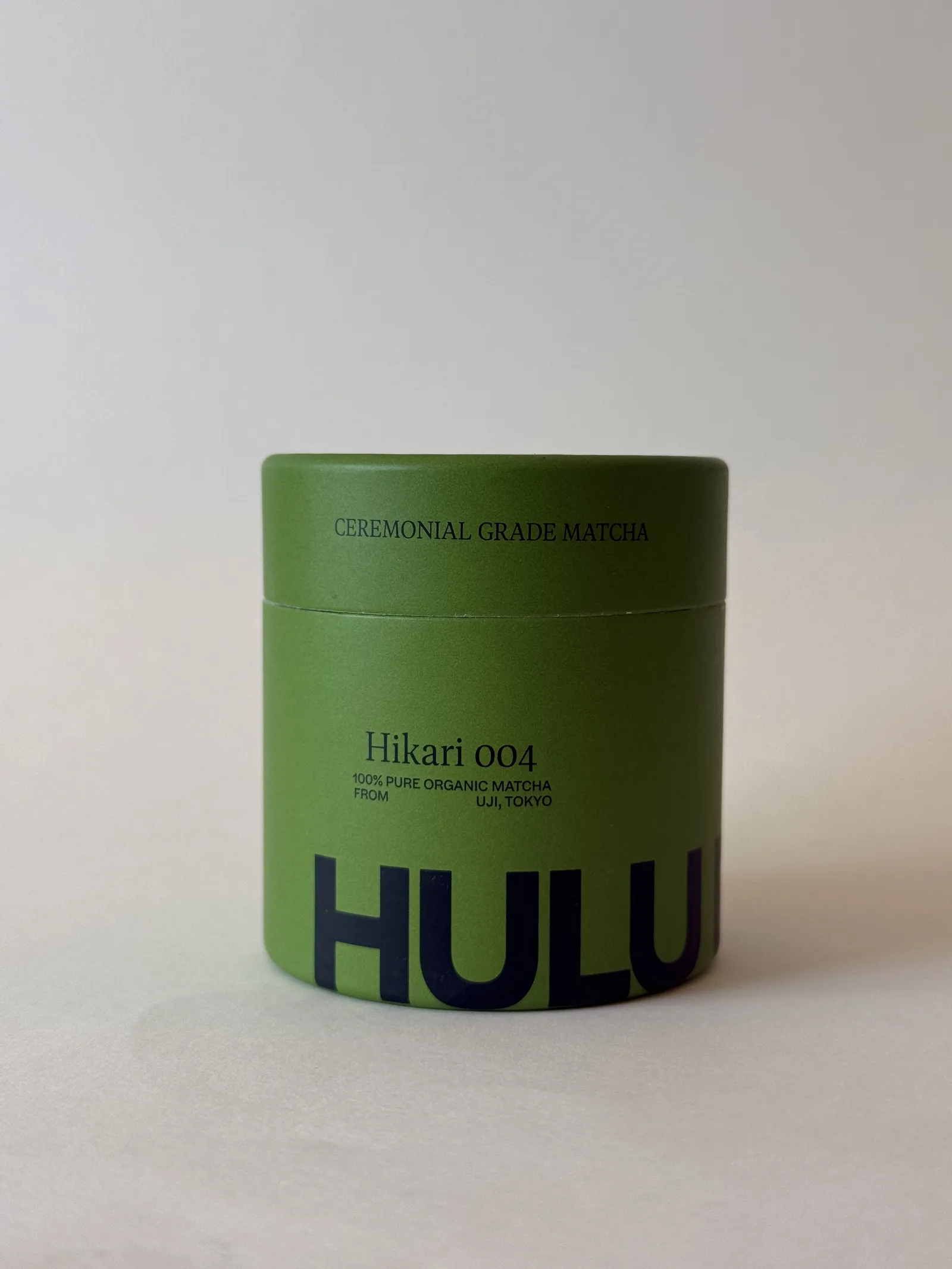
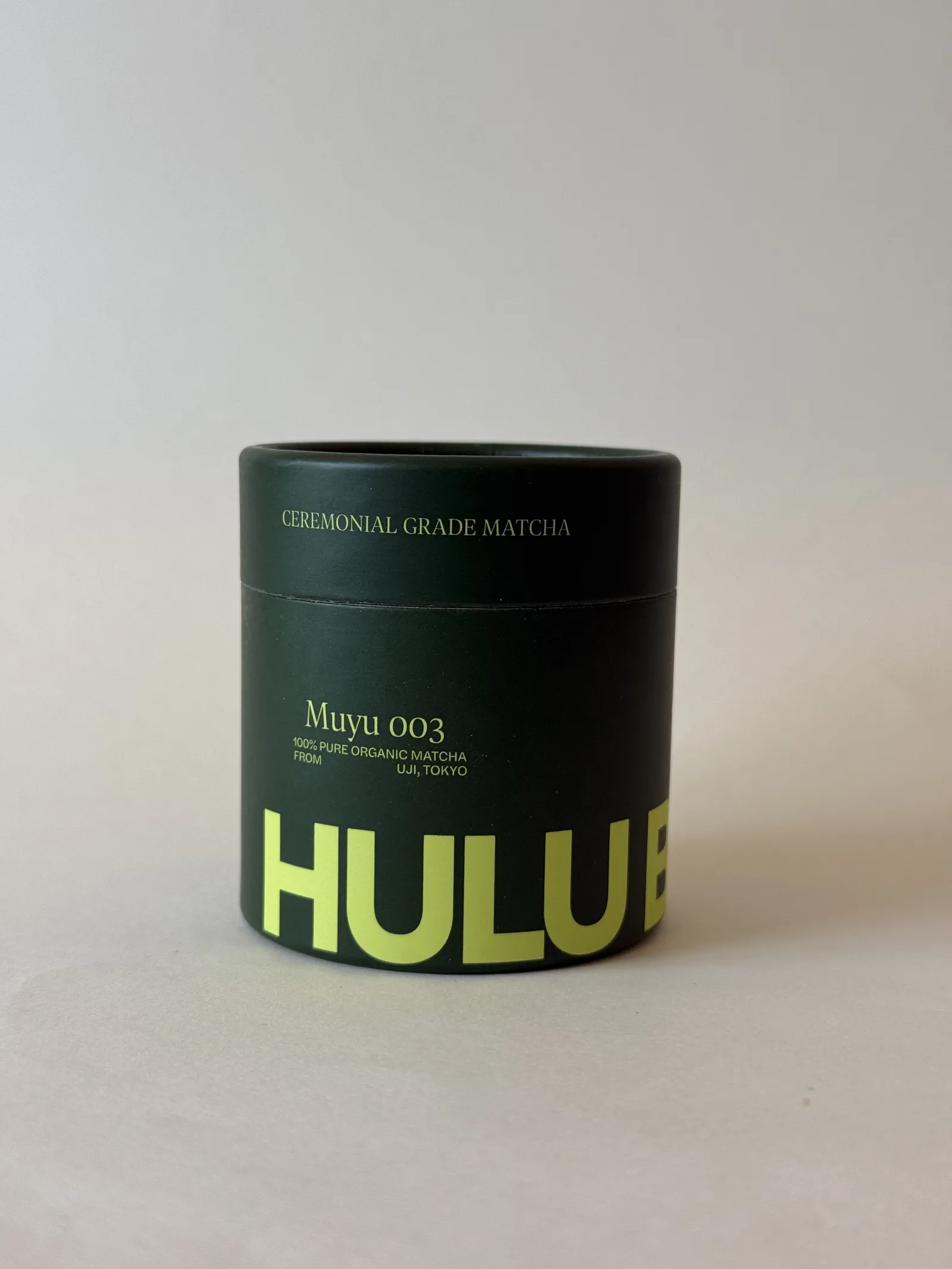
Tolerance for milkMuyu and Wakaba hold under oat or whole milk · Hikari + Rikyu poured straight onlyPairs with most milks — espresso is built around the milk-drink format
Late-afternoon friendly?Yes, especially hojicha (~20–30 mg caffeine) — built for the post-lunch slotMost drinkers cap at 2 pm to protect sleep — half-life is ~5 hr

The energy difference is the hinge. Coffee gives you a bright twenty-minute climb and a ninety-minute crash. Matcha gives you a softer two-and-a-half-hour plateau without the bottom falling out. If your day is one big push, coffee is the right tool. If your day is several smaller pushes with focus blocks in between, matcha holds the line longer.

The flavour difference is the second hinge. Coffee is roast-driven; the bean is the canvas, and the roaster paints. Matcha is leaf-driven; the canvas is the field, and the farmer paints. Specialty coffee drinkers tend to like matcha for the same reason they like single-origin pour-over — both reward attention to terroir and process, both punish shortcuts. The matcha drinkers who came from coffee usually do not stop drinking coffee; they just stop ordering coffee in the afternoon.

The ritual difference is the third hinge. Coffee preparation is mostly hidden behind a machine. Matcha preparation, done properly, is observable from the first scoop to the last whisk. If you find yourself drawn to the open kitchen at a sushi counter or to a bar where the bartender stirs your old fashioned in front of you, you will probably also find yourself drawn to the matcha bar.

The verdict

Both belong in a serious drinker's week. Coffee in the morning when the day needs the climb. Matcha in the afternoon when the day needs the plateau. Hojicha at four o'clock when neither of them fits. None of these is the alternative to any of the others.

Coffee gives you a bright twenty-minute climb and a ninety-minute crash. Matcha gives you a softer two-and-a-half-hour plateau without the bottom falling out.

Questions, answered.

Is matcha healthier than coffee?
Health framing is the wrong question. Both are essentially water with caffeine and a few thousand plant compounds. Matcha contains L-theanine, which smooths the caffeine response into a longer plateau. Coffee contains chlorogenic acids, which are anti-inflammatory at moderate doses. Either is fine for most adults at one to three cups per day. Pick the one whose energy curve and ritual fits your day, not the one that markets a longer ingredient list.
How much caffeine is in matcha vs coffee?
A standard ceremonial-grade usucha bowl at HULU BLAVK contains roughly 70 mg of caffeine. A koicha (thick bowl) contains roughly 140 mg. A single-shot espresso runs 90 to 100 mg, and a milk-based flat white or latte runs 120 to 150 mg. Matcha caffeine releases more slowly because the L-theanine in the leaf moderates absorption, so the same milligram count feels less spiked than a comparable coffee dose.
Will switching from coffee to matcha cause caffeine withdrawal?
If you cap your daily coffee at two cups and replace one with a matcha bowl, no — the caffeine load is similar. If you drink four or five coffees a day and try to drop to a single matcha, yes — expect headaches and energy slumps for two to three days as your body recalibrates. Most guests step down by replacing the second and third coffee of the day with matcha first, then ease the morning coffee out over a few weeks.
Why does matcha take five minutes to prepare?
Properly poured ceremonial-grade matcha needs roughly ninety seconds to mill (or to weigh and sieve a pre-milled grade), thirty seconds to whisk, sixty to ninety seconds to settle, and another sixty to ninety to drink at the seventy-degree umami window. Compress any step and the cup degrades. Coffee espresso is faster because the machine handles the time-consuming part — manual matcha has no equivalent shortcut.
Can I drink matcha after coffee in the same day?
Yes. Many of our regulars order a coffee in the morning and a matcha at midday or mid-afternoon. The total caffeine works out similar to two coffees, but the matcha plateau extends focus into the late-afternoon block where a third coffee would push past sleep cutoff. We pour hojicha for guests who want the matcha ritual without any meaningful caffeine load late in the day.
Does HULU BLAVK serve coffee?
No. We pour matcha and hojicha only. Plenty of excellent coffee bars within walking distance of Plaza Damansara — the matcha bar is a single-category bet so we can do the one thing well. Bring your coffee in if you like; the only thing we ask is that you do not drink it during the five minutes your matcha is being whisked.

Where these numbers come from

Caffeine per cup (matcha · coffee)
Per HULU BLAVK serving recipes (matcha) and widely-published per-shot caffeine figures for specialty espresso. Numbers reflect typical ceremonial-grade preparation; individual cups vary with grade and dose.
Energy-curve profile (L-theanine smoothing · coffee crash window)
Standard pharmacology of caffeine + L-theanine in green tea. L-theanine moderates caffeine absorption; the longer plateau is observable across most ceremonial-grade matcha drinkers.
Cost-per-cup at HULU BLAVK
HULU BLAVK retail card current as of COMPARE_LAST_REVIEWED. Per-cup price varies by grade — Wakaba at the entry end, Hikari at the reserve end.
Hojicha caffeine (~20–30 mg)
Per supplier nutrition sheet for the TSUBAKI hojicha lot, cross-referenced with widely-published hojicha caffeine ranges for hot-brewed cups.

Comparison last reviewed

HULU BLAVK

© 2026 HULU BLAVK · ORIGINAL STATE. NO SHORTCUTS.

Xiaohongshu