NEXT HARVEST DROPS FIRST.

· COME AS YOU ARE· RIGHT DRINKS TAKE TIME· RESERVE YOUR 5 MINUTES →

craft · 2 contenders ·

Ceremonial vs culinary matcha.

There is a single mistake that most people new to matcha make, and it is upstream of every other mistake: they buy one grade of matcha and try to use it for both bowls and baking. The grade matters more than the dose, more than the water temperature, more than the whisk technique. Ceremonial-grade matcha is built for the bowl. Culinary-grade matcha is built for the recipe. They look similar and they share a name, but they are different products at different price points solving different problems.

The contenders

HULU BLAVK

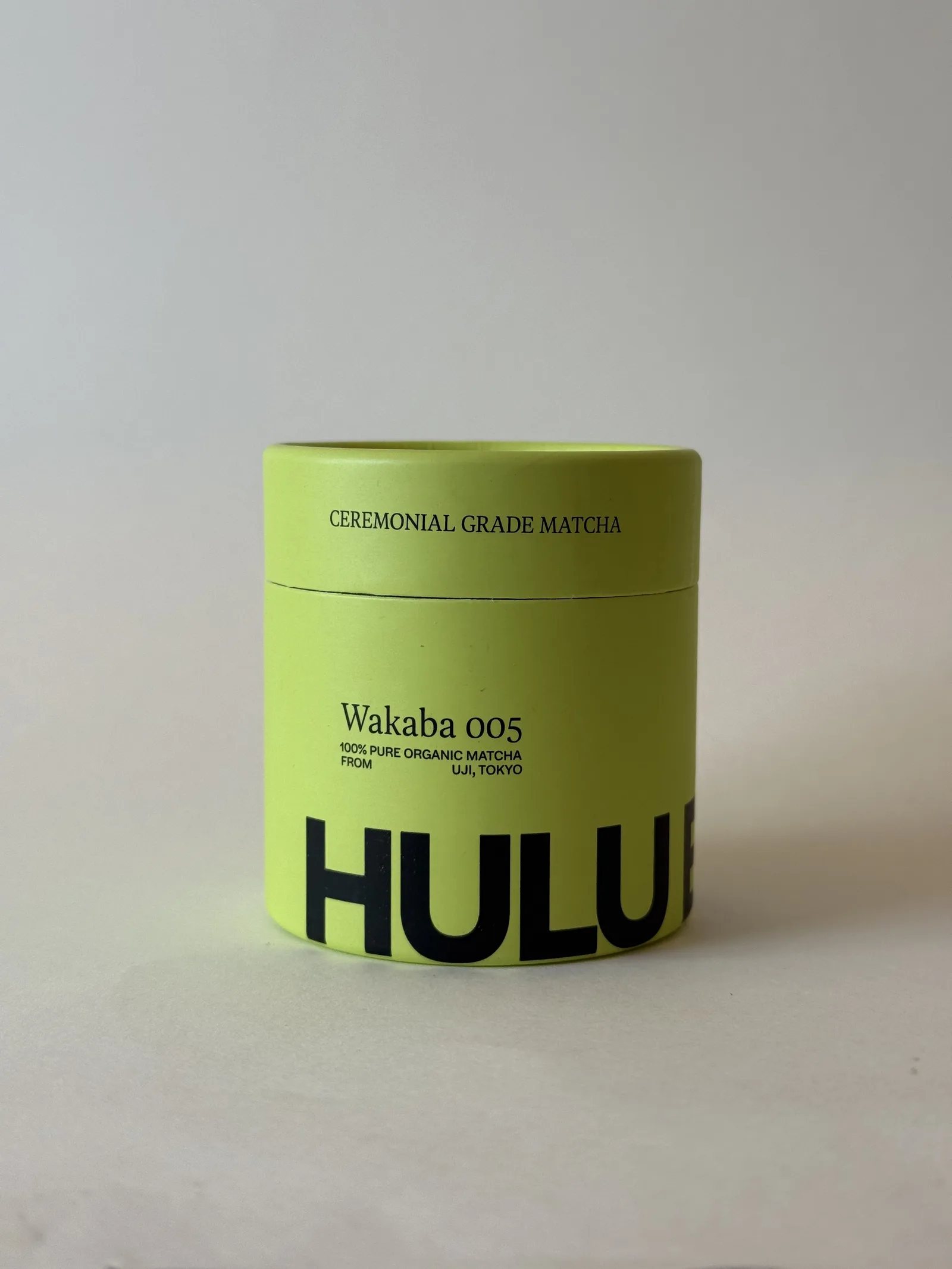
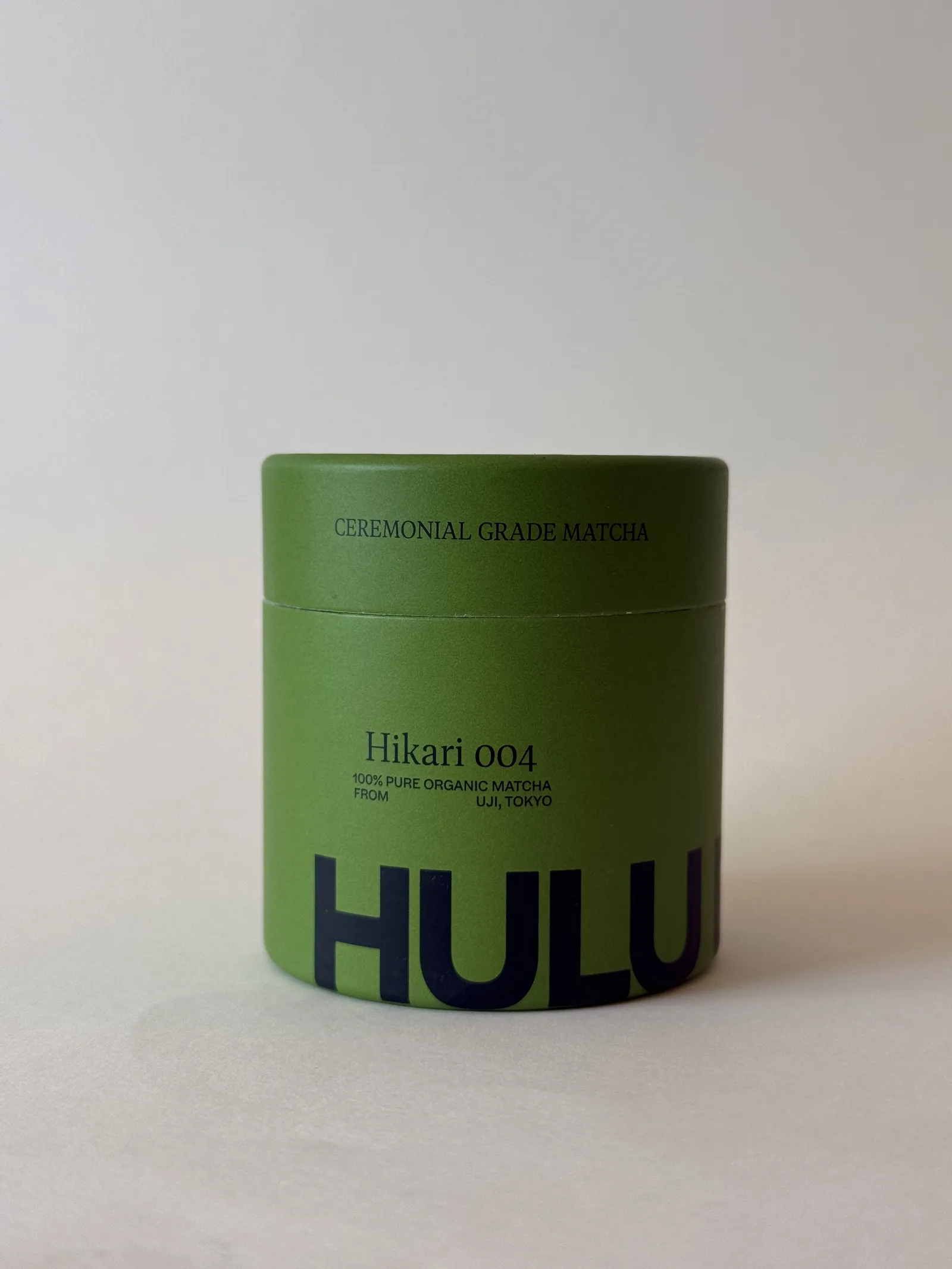
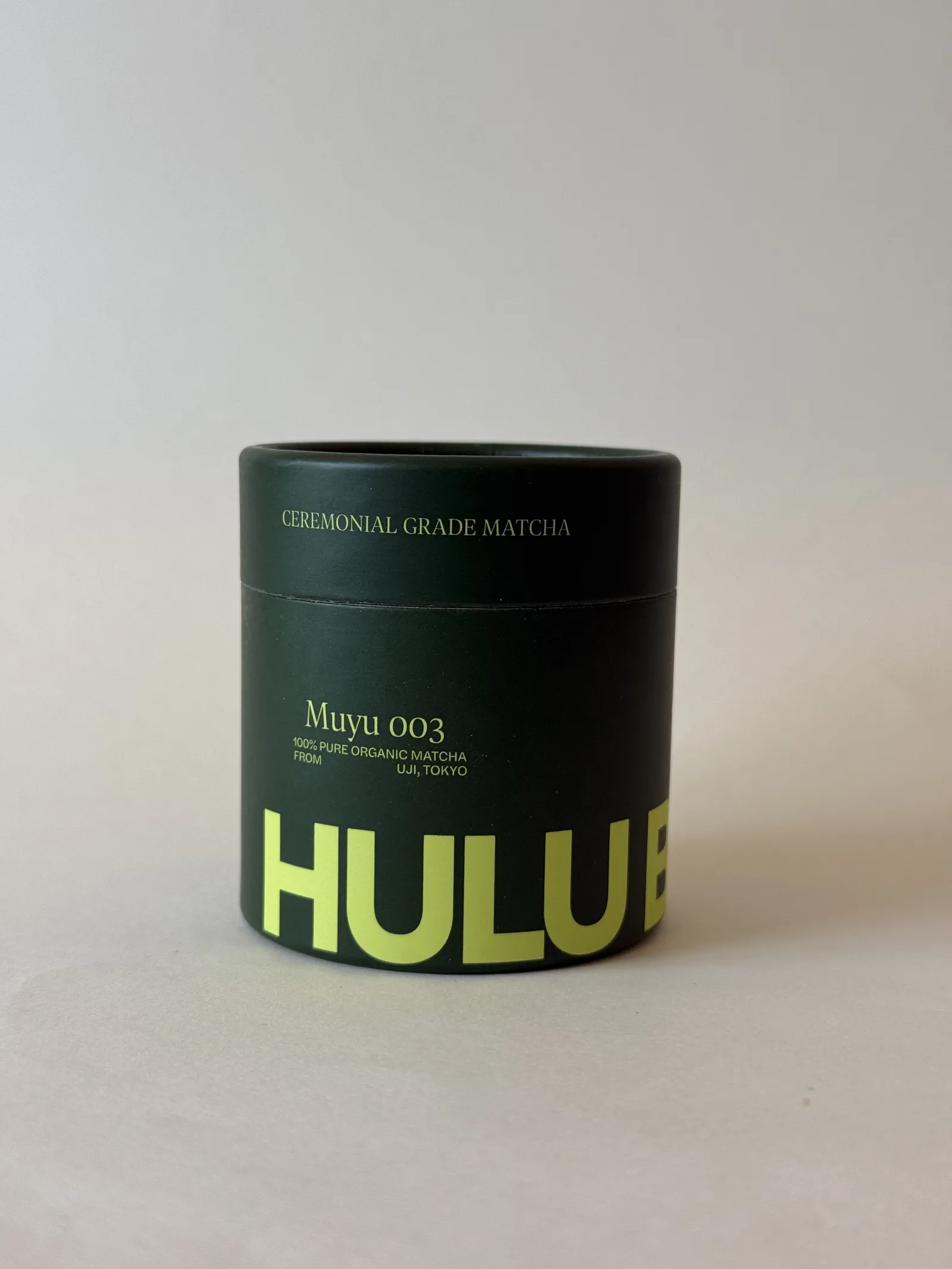
Ceremonial-grade

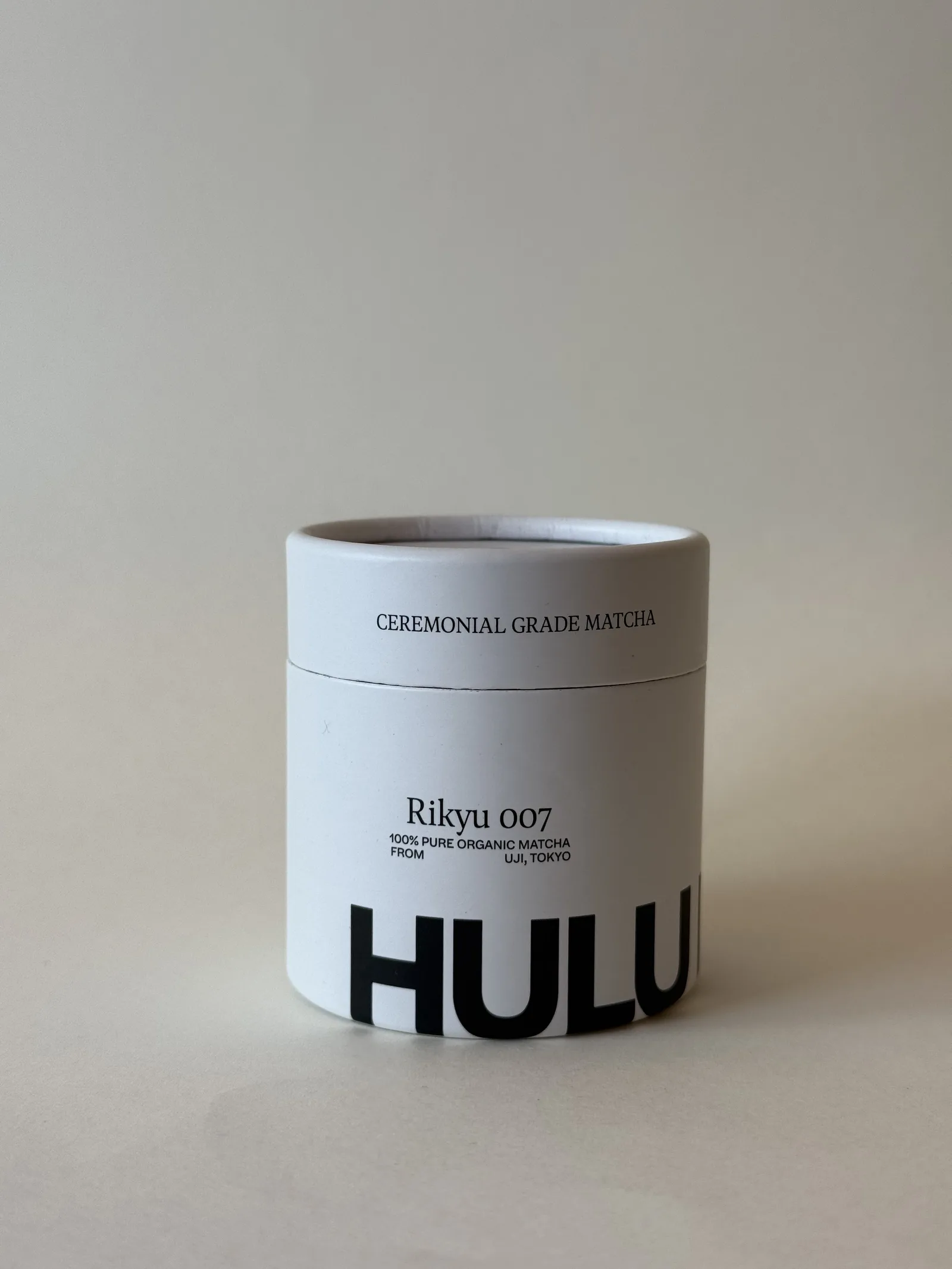
First-flush shaded tencha, stone-milled to ten to twenty microns. Built to be drunk straight from a bowl. What HULU BLAVK pours.

Other

Culinary-grade

Later-harvest leaf, often unshaded, ball-milled or coarse stone-milled. Built to survive heat, sugar, and dairy in baking and beverages.

The comparison

Side by side.

CriterionCeremonial-gradeCulinary-grade
Leaf sourceFirst-flush shaded tencha — leaves grown under twenty days of shade just before harvest, hand-pickedLater-flush leaves, often unshaded or briefly shaded, machine-harvested
MillingGranite stone-mill at roughly 30 RPM — ~50 minutes to produce 30gBall-mill or coarser stone-mill — minutes per kilo, mass-production friendly
Particle size10–20 microns · suspends evenly in water · velvet mouthfeel30–60 microns · settles faster · gritty in a straight bowl, fine in batter
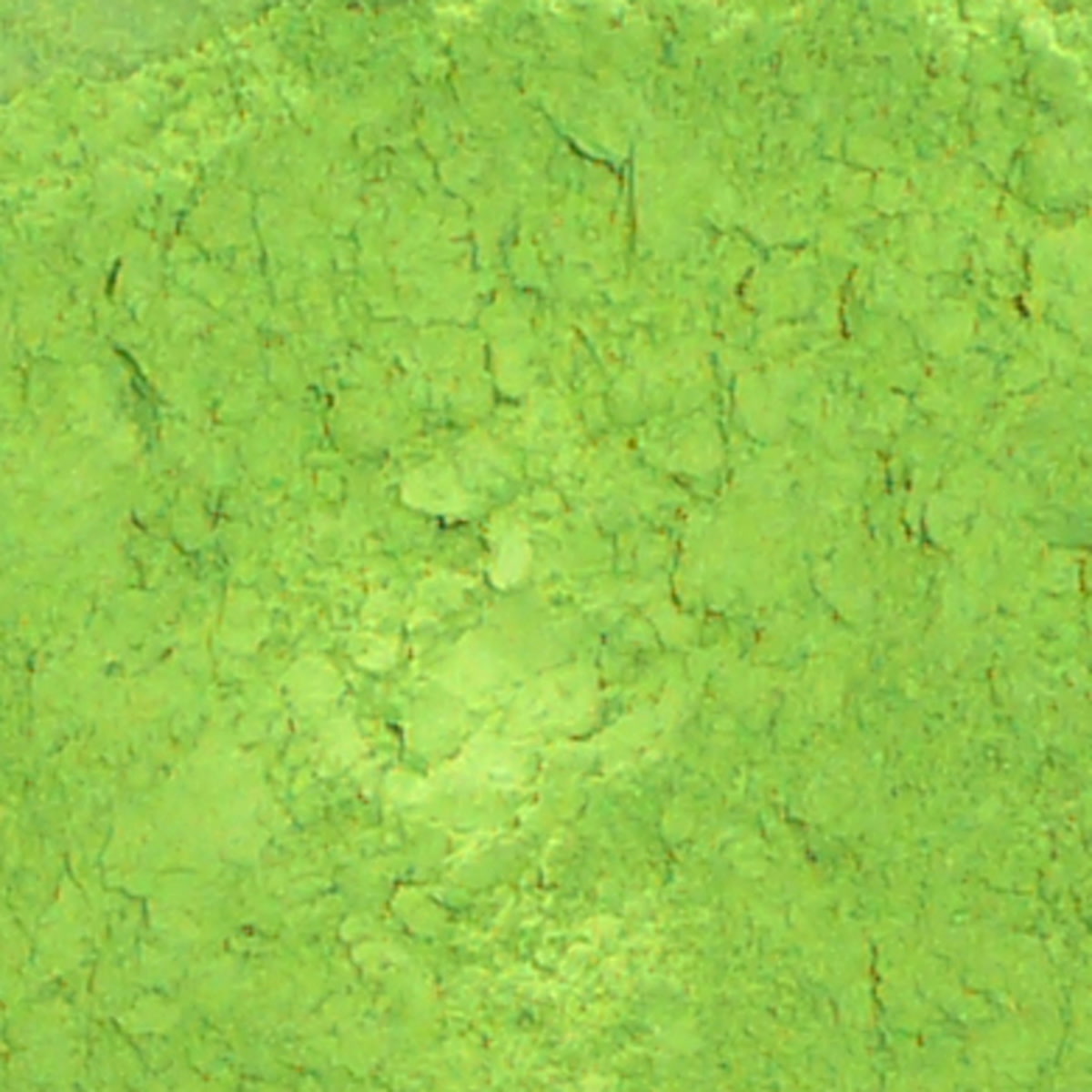
ColourVivid jade-green that holds in cold waterOlive-green or yellow-green · dulls in liquid within minutes
Taste profileUmami-forward · sweet finish · low astringency · drinkable straightVegetal-bitter · grassy · designed to read through sugar and dairy
Intended useUsucha (thin bowl), koicha (thick bowl), high-end iced or unsweetened latteBaking, ice cream, lattes with sugar, smoothies, anywhere the matcha is one ingredient among many
Behaviour under heatLoses umami above ~80°C and oxidises fast — never use in bakingBuilt for 180°C ovens — bitterness flattens, colour stays usable
Behaviour under sugar / dairySugar masks the umami you paid for · dairy mutes the L-theanine sweetnessSugar and dairy round off the harshness — this is the point
Price band per 30gRM150–RM300+ depending on grade and harvest reserve tierRM30–RM80 in Malaysian retail · sold in larger 50g–100g bags
Where HULU BLAVK fitsAll six HULU BLAVK grades are ceremonial — Wakaba (RM148), Muyu (RM168), Ritual 003 (RM188), Rikyu (RM198), Hikari (RM248), Ritual 003 Champion (RM288)Not stocked at HULU BLAVK — we recommend buying culinary at any specialty grocer; we do not pour it because the bowl will not survive it

The simplest way to tell the two apart is by colour. Pour both into a clear glass of water. Ceremonial-grade matcha will turn the water a vivid jade green and stay suspended for five to ten minutes. Culinary-grade matcha will turn the water olive-green and start sinking to the bottom within two minutes. The colour is a direct read on chlorophyll content, which is a direct read on shade, which is a direct read on the harvest discipline.

The second tell is taste at room temperature. Half a teaspoon of ceremonial-grade in 70 ml of cool water, no whisk, just a stir, should taste sweet-vegetal with a quick clean finish. The same dose of culinary-grade in the same water will taste astringent and grassy. The astringency is what disappears under sugar and heat in a recipe — which is exactly why culinary-grade exists.

Using the wrong grade is the single most common matcha mistake we see at the bar. People come in having tried matcha once at home with a culinary-grade powder bought from a supermarket and decided they did not like matcha. They did not try matcha. They tried a baking ingredient applied to the wrong job. Pour them a Wakaba usucha and the conversation usually becomes about which tin to take home.

The verdict

Pick the grade that matches the prep. Ceremonial in the bowl, culinary in the batter. Use ceremonial in a brownie and you have wasted ninety percent of what makes the leaf worth what it costs. Use culinary in a usucha bowl and the bitterness will tell you immediately.

Use ceremonial in a brownie and you have wasted ninety percent of what makes the leaf worth what it costs. Use culinary in a usucha bowl and the bitterness will tell you immediately.

Questions, answered.

What is the difference between ceremonial and culinary matcha?
Ceremonial-grade matcha is first-flush shaded tencha leaf, stone-milled to a 10–20 micron powder, designed to be drunk straight from a bowl. Culinary-grade matcha is later-flush leaf, often unshaded, milled coarser, designed to survive heat, sugar, and dairy in baking and blended drinks. Same plant, different harvests, different processing, different intended use, different price band.
Can I use ceremonial matcha for baking?
You can, but it is a waste. The umami profile and L-theanine sweetness that justify the ceremonial price disappear above eighty degrees Celsius and under sugar and dairy. A 180-degree oven destroys the flavour notes you paid for. Use culinary-grade for baking and save the ceremonial-grade for the bowl where it will read.
Can I use culinary matcha in a bowl?
Technically yes, but it will taste bitter and astringent because culinary-grade leaf is not shaded long enough to develop the umami sweetness that makes a straight bowl pleasant. The grit from the coarser milling will also be noticeable in the mouth. Most first-time matcha drinkers who say they do not like matcha tried culinary-grade in a bowl. It is the wrong tool.
How can I tell ceremonial from culinary matcha by sight?
Ceremonial matcha is a vivid jade green — almost neon. Culinary matcha is olive-green, yellow-green, or dull green. The colour difference comes from chlorophyll content, which is a direct function of shade time before harvest. Pour both into clear water for the best test: ceremonial stays suspended and brightly coloured; culinary sinks faster and dulls within minutes.
Does HULU BLAVK sell culinary-grade matcha?
No. All six grades on our menu are ceremonial — Wakaba, Muyu, Ritual 003, Rikyu, Hikari, Ritual 003 Champion — priced from RM148 to RM288 per 30g tin. For culinary use, any specialty grocer in KL stocks workable culinary-grade matcha at RM30–RM80 per bag. We do not pour culinary because the bar is built around the ceremonial-grade preparation experience.
Why is ceremonial matcha so much more expensive than culinary?
Two cost drivers. First, the leaf — first-flush shaded tencha takes more labour, more land time, and a longer shade structure than later-harvest unshaded leaf. Second, the milling — granite stone-mills produce roughly 30 grams of ceremonial-grade matcha in 50 minutes, against a ball-mill that can produce kilograms in minutes. The combined cost-per-gram is an order of magnitude higher, and the price reflects it.

Where these numbers come from

Particle size (ceremonial 10–20 µm · culinary 30–60 µm)
Industry-standard process knowledge for ceremonial-grade vs culinary-grade matcha milling. HULU BLAVK ceremonial grades fall in the 10–18 micron range per supplier batch sheets.
Stone-mill rate (~30 RPM · ~50 min per 30g)
Measured at the HULU BLAVK in-bar granite mill. Consistent with published Uji ceremonial-grade mill specs.
HULU BLAVK price band (RM148–RM288 / 30g · all ceremonial)
HULU BLAVK retail card current as of COMPARE_LAST_REVIEWED. Source of truth for prices is src/data/grades.ts.
Culinary-grade price band (RM30–RM80 in Malaysian retail)
Range observed across major Malaysian specialty grocers and online retailers. HULU BLAVK does not stock culinary-grade so this band is reference-only.
Heat threshold (~80°C umami collapse)
Standard ceremonial-grade serving practice — the temperature above which the L-theanine and amino-acid profile that produces umami stops unfolding cleanly. Aligned with the Uji ceremonial preparation tradition.

Comparison last reviewed

HULU BLAVK

© 2026 HULU BLAVK · ORIGINAL STATE. NO SHORTCUTS.

Xiaohongshu